

H/Core + H/Demand
Six years. Revenue doubled. Built on a system, not a stack of services.
BTS doesn’t buy marketing from Halstead one line at a time. They run on the full Growth Operating System: a foundation that shows what is producing revenue, and a demand engine built across every channel a high-end landscape business needs.
Separate services, each doing its job.
Nothing connecting them to revenue.
A reputation that wins work.
No system telling it where the next job comes from.
Brian Shernce built BTS over three decades on craft: master-planned residential properties, hardscape, outdoor living and commercial maintenance across Morris County and North Jersey. Most new work still arrives by referral, which says everything about the quality of the work and everything about the ceiling.
We see the same gap in nearly every referral-built business at this stage. The “marketing” existed as separate pieces — a website here, some search work there, a video, a print piece — each one fine on its own, none of them connected. Nobody could say which channel produced revenue. Demand couldn’t be pointed at the division that had crews to fill. Spend decisions were made on feel.
No line from a lead’s source to the revenue it produced.
No way to turn demand toward the division that had capacity.
The brand told a different story in every channel.
Referral is a reputation. It isn’t a system.
One operating system. Two layers, working as one.
Halstead didn’t add more services to BTS. We connected them. H/Core is the foundation that makes every lead visible and every decision measurable. H/Demand is the engine on top of it, built to create, capture and convert demand by division. Each capability is there because the diagnosis called for it.
H/Core — the foundation
Visibility, accountability and the numbers every decision is made against
Every call, form and text attributed to its source across every channel, so the business sees what is producing work.
Cost per qualified inquiry by channel and division, reviewed in monthly strategy sessions and acted on before the owner has to ask.
H/Demand — the engine
Position, generate, convert — split by commercial, design/build and maintenance
Brand language rebuilt around how BTS actually talks about the work: master planning, not decoration.
Culture and project films, active review management, and one gatekeeper holding the brand standard across social, ads and web.
Technical, local and AI search built town by town across Morris County.
High-intent search across Google Ads, Local Services and Performance Max.
Meta campaigns split by commercial, design/build and maintenance.
A site rebuilt in 2025 with separate commercial and residential paths and service-by-town pages, so every audience lands where it should.
Six years in, the system is still compounding.
Long partnerships usually plateau. This one didn’t. Every number below is set against a base that has already doubled, grouped by the capability that produced it.
The system moves before the owner has to ask.
A connected system isn’t just measured. It’s steered. Because every inquiry is tied to its source and its division, BTS can see where demand is coming from and what it costs, and point the engine at the part of the business with capacity to take on work. The marketing follows the business, not the other way around.
Decisions made against the numbers, not against a feeling about last month.
When capacity shifts between divisions, spend shifts with it.
Every piece of content clears one gatekeeper before it reaches any channel.
Even hiring runs through it
The same infrastructure that fills the pipeline helps fill the crews: careers pages built into the site, role-specific job content, and postings timed to the crew calendar. In its first year (2022), that build produced 214 organic Indeed applications with no ad spend.
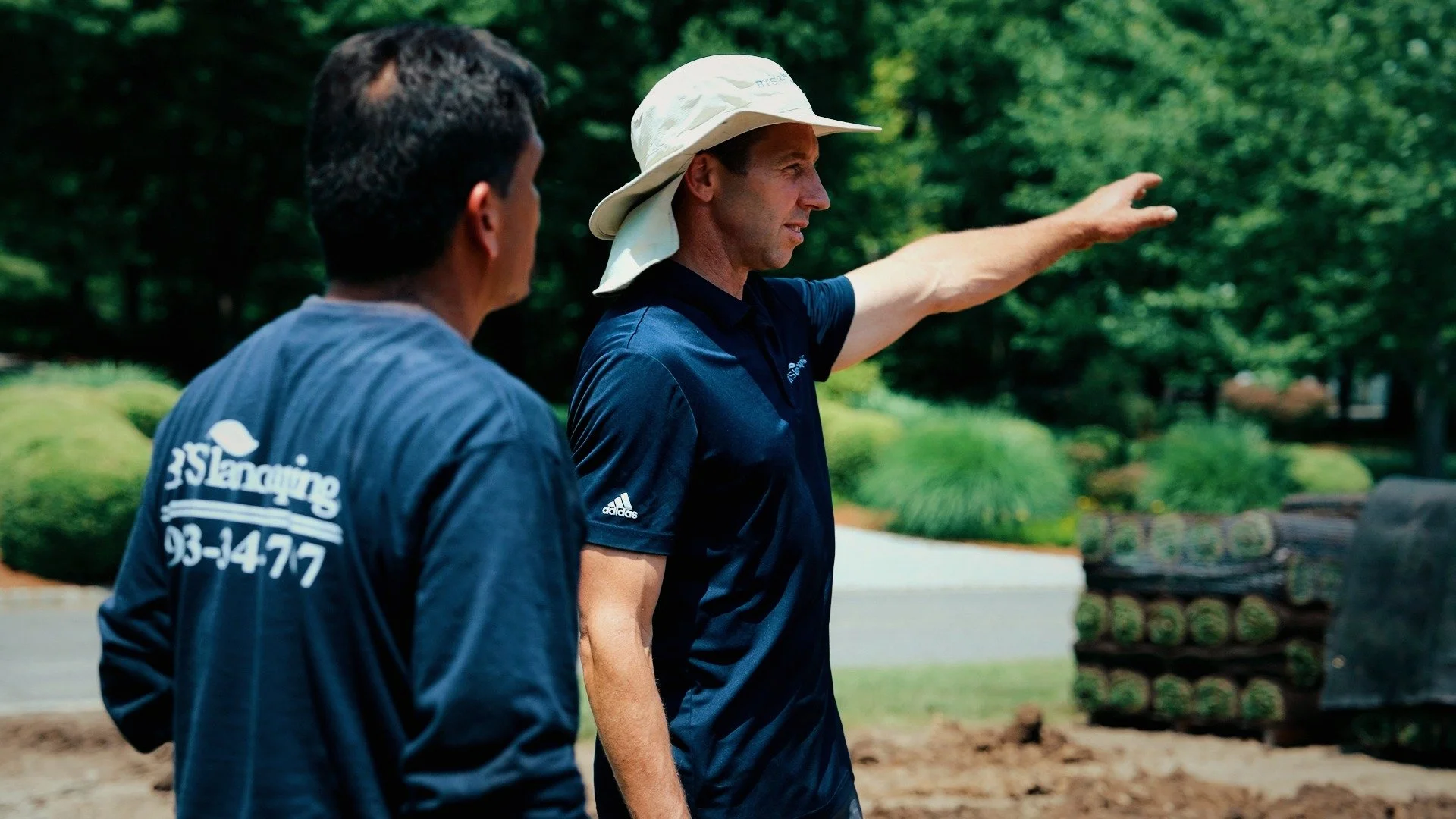
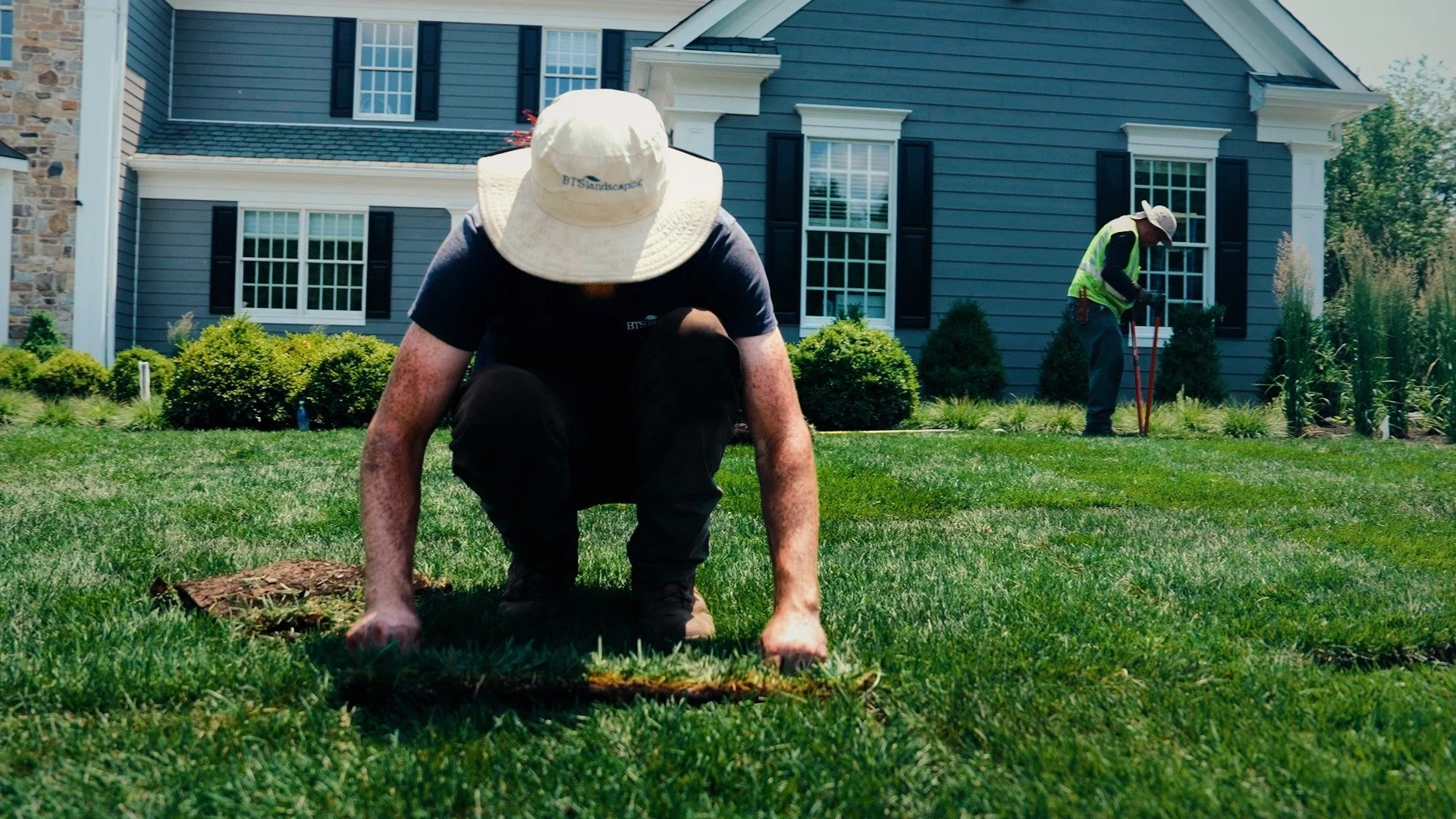
The thing that I like the most about dealing with Halstead is not just their knowledge but how proactive they are.
Brian Thomas Shernce · Owner, BTS Landscaping
Start with a diagnosis
Referrals built the business.
A system builds the next one.
The Growth Gap Review maps where your growth system is connected and where it isn’t — across every brand, branch and market — and what to build first.